
General Surgery
Pilonidal Sinus Treatment in Antalya
Treatment of pilonidal sinus disease, including minimally invasive techniques that shorten healing time considerably compared with traditional wide excision.
Ask Dr. Habibi a Question
- Procedures
- Minimally invasive or excision with closure
- Anaesthesia
- Local, spinal or general, by technique
- Operating time
- Approximately 20–60 minutes
- Hospital stay
- Usually same day
- Return to work
- Days to 2 weeks, by technique
What is a pilonidal sinus?
A pilonidal sinus is a small tunnel under the skin in the cleft at the top of the buttocks, usually containing loose hair and debris. Hairs work their way into the skin, the body reacts to them as foreign material, and a cavity forms that becomes repeatedly infected. It most commonly affects young adults, more often men, and those who sit for long periods, have coarse body hair or a deep natal cleft.
It is not caused by poor hygiene, though this is widely assumed. It is a mechanical problem: hair, friction and pressure. Understanding this matters, because it explains why hair control and keeping the area dry after treatment do more to prevent recurrence than washing more often.
What are the symptoms?
Pilonidal disease presents in three broad ways:
- Silent: one or more small pits in the cleft with no symptoms at all — often noticed by chance and needing no treatment
- Chronic: intermittent discharge of fluid or pus, staining on underwear, dampness, and discomfort when sitting
- Acute abscess: rapidly increasing pain, a hot red swelling, and sometimes fever — this needs urgent drainage
- Recurrent: repeated episodes of infection, often in someone who has already had surgery elsewhere
Treatment is recommended for symptomatic disease, because episodes tend to recur and each infection makes the surrounding tissue more scarred and the eventual treatment more complex. Pits found by chance in someone with no symptoms are generally left alone.
Seek prompt care if: there is a rapidly enlarging, hot and painful swelling, particularly with fever. An abscess needs to be drained; antibiotics alone will not resolve it. Drainage brings immediate relief, and definitive treatment is then planned once the inflammation has settled.
Which treatment options exist?
Abscess drainage
For an acute infection: a small incision under local anaesthesia to release the pus. This treats the infection but not the sinus, which is dealt with later.
Minimally invasive techniques
Pit picking, endoscopic (EPSiT) or laser ablation of the tract: tiny openings, minimal tissue removal, and a return to work within days.
Excision with flap closure
For extensive or recurrent disease: the sinus is removed and closed with a technique that moves the scar away from the midline, which lowers recurrence.
Open healing — the older approach
Wide excision left open to heal by itself. Effective but slow, often taking two to three months of daily dressings; used far less often today.
What does recovery look like?
Why do pilonidal sinuses come back?
Recurrence is the defining problem of this condition, and it is worth being honest about it: reported recurrence rates vary widely between techniques and studies, and no method eliminates the risk. The reason is that surgery removes the sinus but not the cause — hair, friction and moisture in the cleft remain. This is why aftercare is not an afterthought. Regular hair removal from the area, keeping the skin dry, and avoiding very prolonged sitting genuinely reduce the chance of the problem returning. Where the disease is extensive or has already recurred, techniques that move the scar away from the midline are preferred, precisely because midline wounds in this area heal poorly.
What are the risks?
These are generally low-risk procedures, but the area heals slowly and problems are not rare:
- Early: pain when sitting, bleeding, and wound infection — more common here than in most surgical sites
- Healing: delayed healing or partial separation of the wound, which may require dressings for several weeks
- Longer term: recurrence of the sinus, and occasionally a scar that remains tender for some months
Timing matters here too: operating during an active abscess gives a poorer result than draining it first and treating the sinus once the inflammation has settled. A two-stage approach is often the faster route overall, even though it feels slower at the time.
Which technique suits which situation?
| Situation | Usual approach | Trade-off |
|---|---|---|
| Pits, no symptoms | No treatment, hair control | Many never become infected |
| Acute abscess | Drainage first | Definitive treatment planned later |
| Limited chronic disease | Minimally invasive technique | Fast recovery, slightly higher recurrence |
| Extensive disease | Excision with flap closure | Lower recurrence, longer recovery |
| Recurrent after surgery | Flap technique | Moves the scar off the midline |
| Any technique | Hair removal and aftercare | The main factor in preventing return |
This table is a general guide only. The right technique depends on how extensive the disease is, whether it has recurred, and how much recovery time you can allow. See other general surgery treatments.
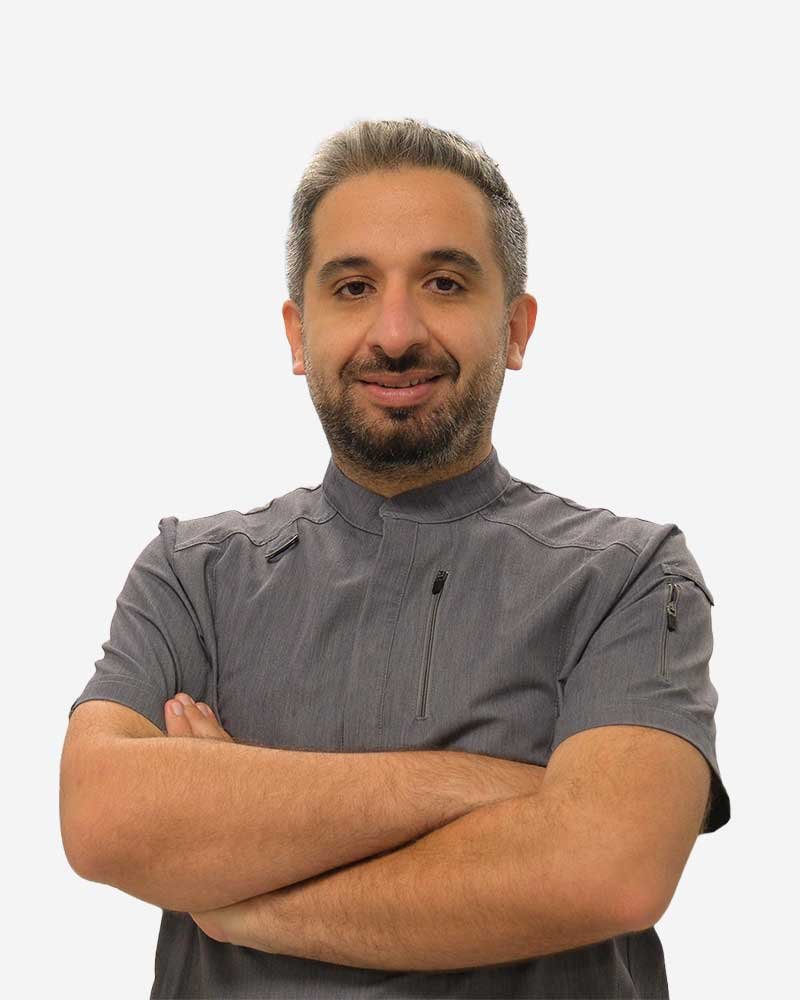
General surgeon specialising in obesity and metabolic surgery in Antalya, Türkiye. Trained in bariatric surgery at the Cleveland Clinic (USA), recipient of the EAES Fellowship Award 2018, IFSO member, co-author of 40+ peer-reviewed publications. Full profile →
FAQ
Pilonidal sinus — frequently asked questions
Can a pilonidal sinus heal without surgery?
An abscess can settle after drainage, but the sinus tract itself does not disappear on its own and tends to become infected again. Where there are pits but no symptoms at all, no treatment is needed — just hair control and keeping the area dry.
Is pilonidal sinus caused by poor hygiene?
No. It is a mechanical problem caused by hair, friction and pressure in the cleft, not by inadequate washing. People with excellent hygiene develop it, and washing more frequently does not prevent it — hair control and keeping the area dry do.
How long does recovery take?
It depends entirely on the technique. Minimally invasive procedures such as pit picking or laser treatment often allow a return to desk work within a few days. Flap surgery typically means one to two weeks. Traditional wide excision left open to heal can take two to three months of dressings.
Will it come back after treatment?
Recurrence is possible with every technique, and reported rates vary considerably. Surgery removes the sinus but not the underlying cause, so aftercare matters: regular hair removal from the area, keeping the skin dry and avoiding very prolonged sitting substantially reduce the risk.
Is laser treatment better than surgery?
Neither is universally better. Laser and other minimally invasive methods offer much faster recovery and less pain, and suit limited disease well. Excision with flap closure is more demanding to recover from but generally has a lower recurrence rate in extensive or recurrent cases. The choice depends on the extent of disease and your circumstances.
Can I sit normally after the procedure?
Sitting is uncomfortable in the first days and is the main practical limitation. Short periods, a cushion, and standing or walking regularly all help. Prolonged sitting — including long drives and cycling — is avoided until the wound has healed.
What should I do to prevent recurrence?
Three things make the most difference: regular hair removal from the cleft area, keeping the skin clean and dry, and avoiding very long uninterrupted periods of sitting. These are not optional extras — they are the main determinant of whether the problem returns.
Related Treatments
Other general surgery treatments
Dealing with a recurring problem?
Describe your symptoms and any previous treatment you have had. Dr. Habibi will review them personally and explain which technique suits your situation.
Message on WhatsApp