
Obesity & Metabolic Surgery
Gastric Sleeve Surgery in Antalya
Laparoscopic sleeve gastrectomy performed by Dr. Mani Habibi — a general surgeon with over 15 years of experience and more than 4,500 laparoscopic procedures.
Ask Dr. Habibi a Question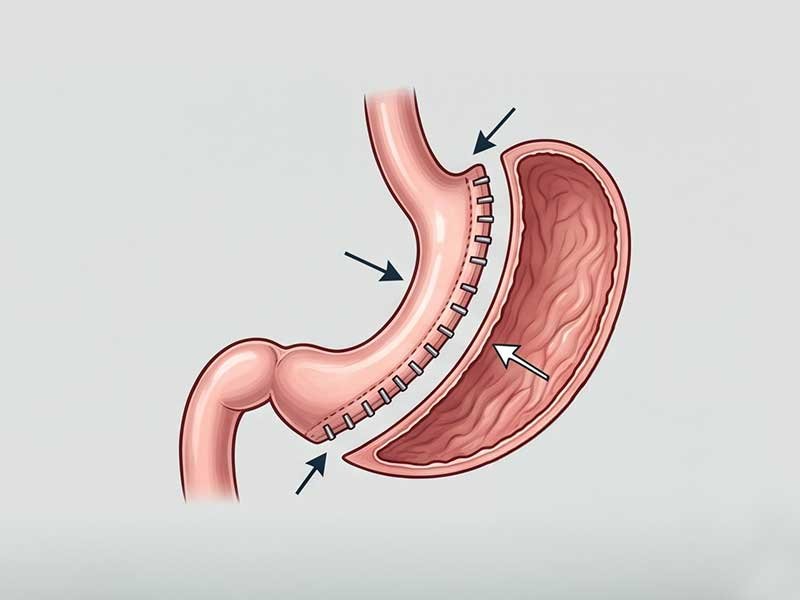
- Procedure
- Laparoscopic sleeve gastrectomy
- Anaesthesia
- General anaesthesia
- Operating time
- Approximately 60–90 minutes
- Hospital stay
- Usually 2–3 nights
- Return to work
- Typically 2–3 weeks
What is gastric sleeve surgery?
Gastric sleeve surgery, also called sleeve gastrectomy, is a bariatric operation in which approximately 75–80% of the stomach is removed, leaving a narrow tube-shaped stomach roughly the size of a banana. It works in two ways: it limits how much food can be eaten at one time, and it reduces production of ghrelin, the hormone that stimulates appetite. The procedure is performed laparoscopically through several small incisions and is not reversible.
Sleeve gastrectomy is currently the most frequently performed bariatric procedure worldwide. Because it does not reroute the intestines, it involves fewer changes to nutrient absorption than gastric bypass, though lifelong vitamin supplementation and follow-up remain necessary.
Who is a candidate for gastric sleeve surgery?
Internationally accepted criteria generally consider bariatric surgery for adults who meet the following, after other weight-loss methods have been tried without lasting success:
- BMI of 40 or above, or
- BMI of 35–39.9 with an obesity-related condition such as type 2 diabetes, high blood pressure, sleep apnoea or joint disease
- In some cases, BMI of 30–34.9 with metabolic disease that is not controlled by other treatment
- Ability to undergo general anaesthesia, and readiness to commit to long-term dietary changes and follow-up
Eligibility is never determined online. Dr. Habibi assesses each patient individually through medical history, blood tests, endoscopy where indicated, and consultation with anaesthesia, dietetics and — where appropriate — psychology.
Important: Gastric sleeve surgery is a major operation, not a cosmetic procedure. It is one part of obesity treatment and works only alongside sustained changes in diet, physical activity and follow-up care.
How is the operation performed?
Pre-operative assessment
Blood tests, imaging, endoscopy where indicated, and consultations with anaesthesia and dietetics to confirm suitability.
Laparoscopic access
Under general anaesthesia, four to five incisions of about 1 cm are made in the abdomen for the camera and instruments.
Stomach division
The outer curve of the stomach is separated and divided along a calibration tube using surgical staplers, leaving a narrow sleeve.
Leak testing and closure
The staple line is tested for leaks before the removed portion is taken out and the incisions are closed.
What does recovery look like?
What weight loss can be expected?
Published outcomes commonly report an average loss of 60–70% of excess weight within the first 12–18 months after sleeve gastrectomy, with many patients seeing improvement in conditions such as type 2 diabetes, hypertension and sleep apnoea. Results vary considerably between individuals and depend heavily on dietary adherence, physical activity and follow-up. No surgeon can guarantee a specific outcome.
What are the risks and possible complications?
Like any major abdominal operation, sleeve gastrectomy carries risks. These should be discussed in detail during consultation:
- Early: bleeding, staple-line leak, infection, blood clots, reaction to anaesthesia
- Later: gastro-oesophageal reflux (which can be new or worsened), stricture, vitamin and mineral deficiencies, gallstones
- Weight-related: insufficient weight loss or weight regain, which may require revisional surgery
Reflux deserves particular attention: patients with significant pre-existing reflux or a large hiatal hernia may be better served by gastric bypass. This is one of the key reasons the choice of procedure is made individually.
Gastric sleeve or gastric bypass?
| Aspect | Gastric Sleeve | Gastric Bypass |
|---|---|---|
| What is changed | Stomach reduced; intestines untouched | Stomach reduced and intestines rerouted |
| Nutrient absorption | Largely preserved | Partially reduced by design |
| Effect on reflux | May cause or worsen reflux | Often improves reflux |
| Diabetes remission | Frequently improves | Generally stronger metabolic effect |
| Reversibility | Not reversible | Technically reversible, rarely reversed |
| Often preferred for | Lower operative complexity, no reflux history | Higher BMI, type 2 diabetes, existing reflux |
Neither procedure is universally better. The right choice depends on BMI, metabolic conditions, reflux history, previous surgery and patient preference — determined together during consultation. Read more about gastric bypass surgery.
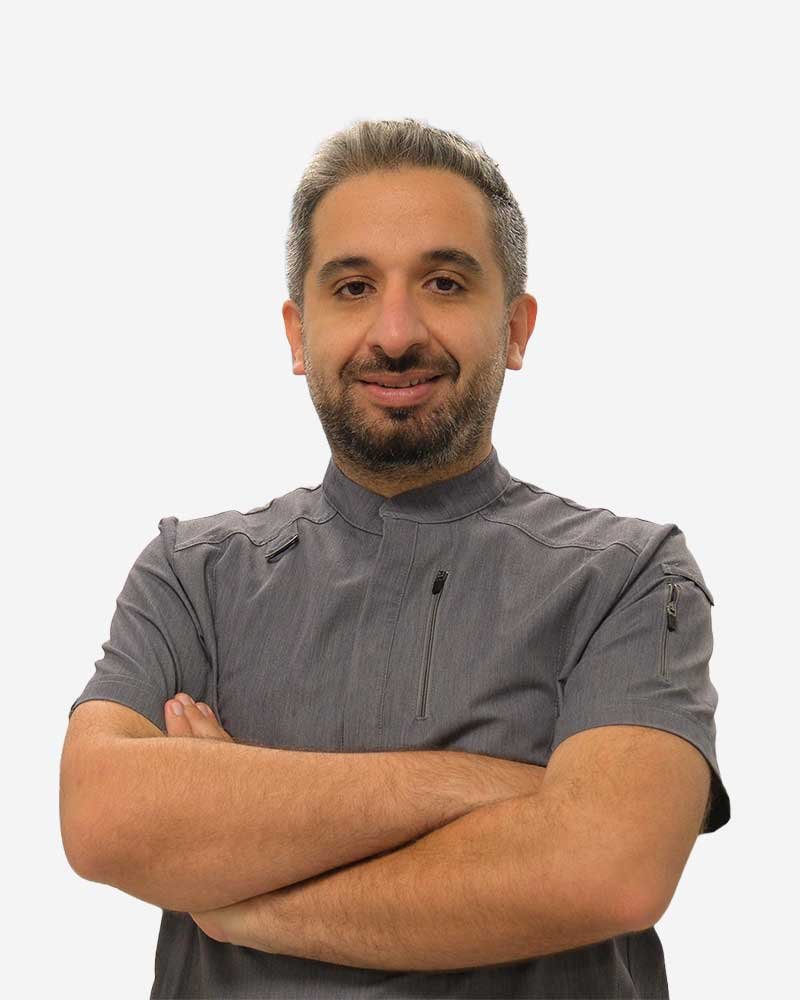
General surgeon specialising in obesity and metabolic surgery in Antalya, Türkiye. Trained in bariatric surgery at the Cleveland Clinic (USA), recipient of the EAES Fellowship Award 2018, IFSO member, co-author of 40+ peer-reviewed publications. Full profile →
FAQ
Gastric sleeve — frequently asked questions
How long does gastric sleeve surgery take?
The operation itself usually takes about 60 to 90 minutes under general anaesthesia. Most patients stay in hospital for two to three nights afterwards.
Is gastric sleeve surgery reversible?
No. Because a large portion of the stomach is permanently removed, sleeve gastrectomy cannot be reversed. It can, however, be converted to a gastric bypass later if there is severe reflux or insufficient weight loss.
How much weight is lost after gastric sleeve surgery?
Published studies commonly report an average loss of 60–70% of excess weight within 12 to 18 months. Individual results vary widely and depend on diet, physical activity and long-term follow-up.
Will I need vitamin supplements for life?
Yes. Reduced stomach volume lowers intake of several nutrients, so lifelong supplementation — typically vitamin B12, iron, vitamin D and a multivitamin — along with regular blood tests is standard after sleeve gastrectomy.
How long should international patients stay in Antalya?
Most international patients plan a stay of five to seven days, which allows for pre-operative tests, surgery, recovery in hospital and a post-operative check before flying home. Flying is generally avoided in the first days after surgery because of the risk of blood clots.
Does gastric sleeve surgery leave visible scars?
The operation is performed through four to five incisions of roughly one centimetre. These usually fade substantially over the first year but do not disappear entirely.
Can gastric sleeve surgery cause reflux?
It can. Sleeve gastrectomy may cause new reflux or worsen existing reflux in some patients. Those with significant pre-existing reflux or a large hiatal hernia are often advised to consider gastric bypass instead.
Related Procedures
Other bariatric options
Is gastric sleeve right for you?
Suitability can only be determined after a medical assessment. Send your questions and medical background — Dr. Habibi will review them personally.
Message on WhatsApp