
General Surgery
Gastroscopy & Colonoscopy in Antalya
Diagnostic and therapeutic endoscopy performed under sedation by Dr. Mani Habibi — for digestive symptoms, bowel cancer screening and removal of polyps.
Ask Dr. Habibi a Question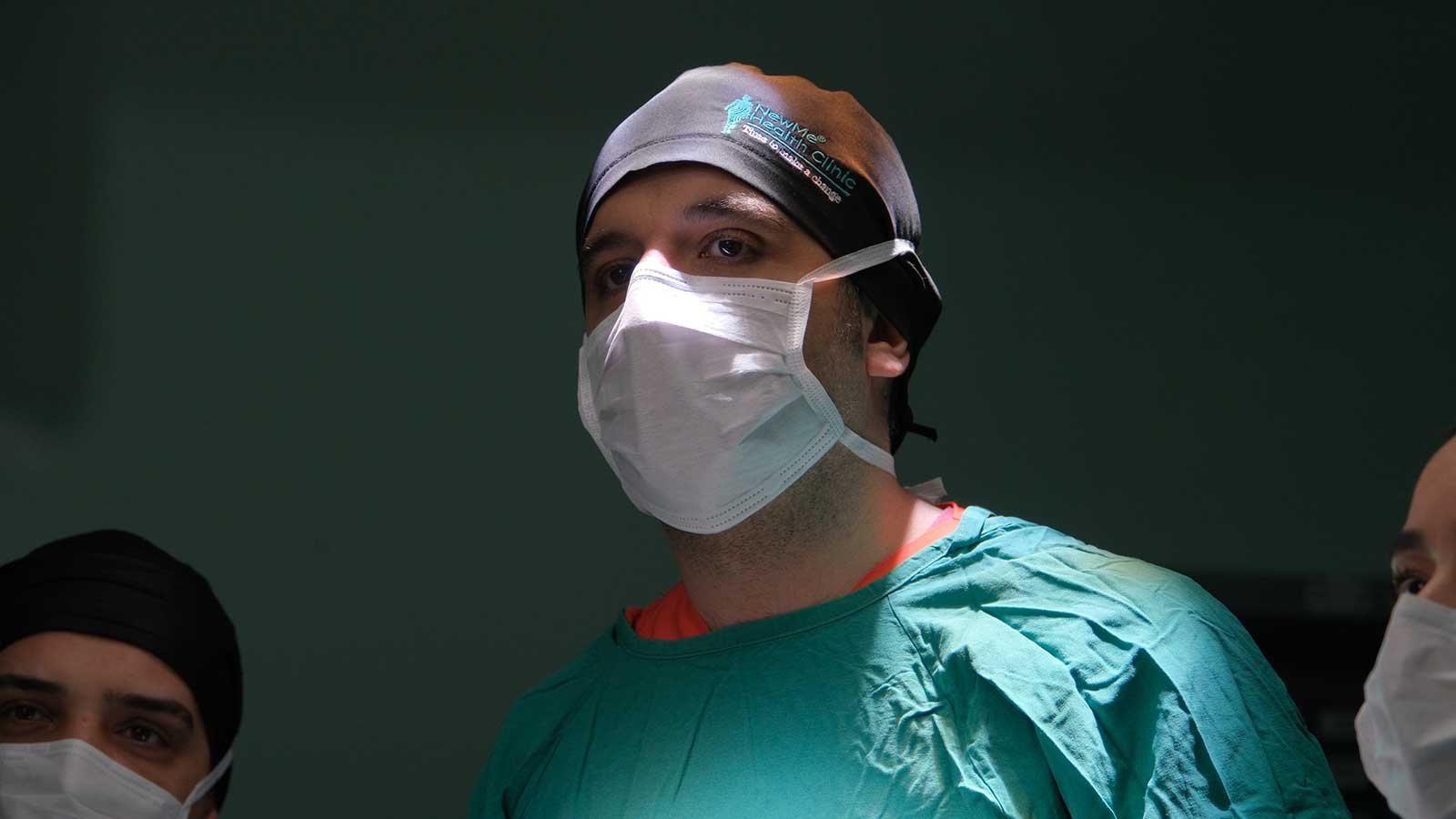
- Procedures
- Gastroscopy · Colonoscopy · Polypectomy
- Sedation
- Light sedation — asleep, not general anaesthesia
- Procedure time
- Gastroscopy 10–15 min · Colonoscopy 20–45 min
- Hospital stay
- Same day, home after 1–2 hours
- Return to work
- Next day; no driving on the day
What are gastroscopy and colonoscopy?
Endoscopy uses a thin flexible tube with a camera to look directly at the lining of the digestive tract. Gastroscopy examines the oesophagus, stomach and the first part of the small intestine through the mouth; colonoscopy examines the entire large bowel through the anus. Both are performed under light sedation, take between ten and forty-five minutes, and allow biopsies to be taken or polyps to be removed during the same session.
What makes colonoscopy unusual among medical tests is that it does not only detect bowel cancer — it prevents it. Most bowel cancers develop from polyps over several years, and removing a polyp during colonoscopy removes that risk before a cancer can form.
When is endoscopy needed?
Endoscopy is recommended for investigating symptoms, and for screening in people with no symptoms at all:
- Gastroscopy for: persistent reflux or heartburn, upper abdominal pain, difficulty swallowing, unexplained nausea, or suspected ulcer or H. pylori infection
- Colonoscopy for: rectal bleeding, a lasting change in bowel habit, unexplained anaemia, chronic diarrhoea or abdominal pain
- Screening: from age 45–50 for average risk, and earlier where a first-degree relative has had bowel cancer or polyps
- Before bariatric surgery: gastroscopy is routinely performed to check the stomach and oesophagus before a sleeve or bypass
Screening deserves particular emphasis, because it applies to people who feel completely well. Bowel cancer develops silently over years and is highly treatable when found early. A single normal screening colonoscopy typically means the next is not needed for ten years.
Do not delay assessment if: you have rectal bleeding, black or tarry stools, difficulty swallowing that is worsening, persistent vomiting, or unexplained weight loss. These need investigation rather than watchful waiting.
What happens during the procedure?
Preparation
Fasting for six to eight hours before gastroscopy. Colonoscopy also requires bowel preparation — a laxative solution taken the day before to empty the bowel completely.
Sedation
Sedation is given through a cannula. Most people are asleep throughout and remember nothing of the procedure; breathing continues normally on its own.
Examination
The endoscope is passed gently and the lining is examined in detail. Biopsies can be taken painlessly, as the bowel lining has no pain receptors.
Polyp removal
Polyps found during colonoscopy are usually removed in the same session and sent for analysis — the step that prevents future cancer.
What does recovery look like?
Is the procedure painful?
This is the question that keeps most people away, so it deserves a direct answer: with sedation, the procedure itself is not felt. Most patients sleep through it and have no memory of it afterwards. What people usually describe as unpleasant is not the endoscopy but the bowel preparation for colonoscopy — drinking the laxative solution the day before. That part is genuinely tedious, though newer lower-volume preparations have made it easier. Afterwards, bloating and wind for an hour or two are the most common complaints.
What are the risks?
Endoscopy is a very safe procedure, but it is not entirely without risk:
- Common and minor: bloating, wind, mild cramping, a sore throat after gastroscopy
- Uncommon: bleeding after a polyp removal or biopsy, usually minor and self-limiting
- Rare but serious: perforation of the bowel wall, which occurs in well under one in a thousand diagnostic procedures and may require surgery
One practical point: incomplete bowel preparation is the most common reason a colonoscopy has to be repeated. Following the preparation instructions exactly is what makes the difference between a conclusive examination and doing it all again.
Which examination is used for which symptom?
| Symptom or situation | Usual examination | Purpose |
|---|---|---|
| Persistent reflux or heartburn | Gastroscopy | Assess oesophagus, exclude damage |
| Upper abdominal pain | Gastroscopy | Exclude ulcer, gastritis, H. pylori |
| Rectal bleeding | Colonoscopy | Identify the source, exclude tumour |
| Change in bowel habit | Colonoscopy | Assess the whole large bowel |
| Unexplained anaemia | Both, usually together | Find a source of slow blood loss |
| Screening, no symptoms | Colonoscopy from 45–50 | Remove polyps before cancer develops |
This table is a general guide only. Which examination is appropriate depends on your symptoms, age, family history and previous investigations. See other general surgery treatments.
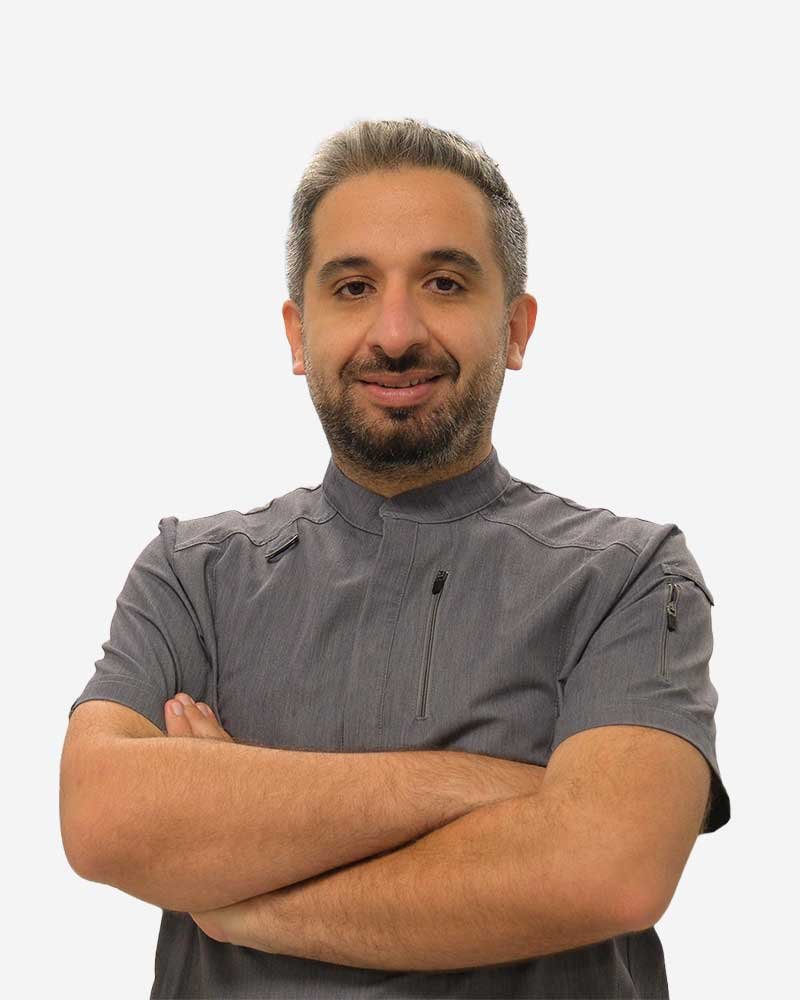
General surgeon specialising in obesity and metabolic surgery in Antalya, Türkiye. Trained in bariatric surgery at the Cleveland Clinic (USA), recipient of the EAES Fellowship Award 2018, IFSO member, co-author of 40+ peer-reviewed publications. Full profile →
FAQ
Endoscopy — frequently asked questions
Does colonoscopy hurt?
Under sedation, the procedure itself is not felt — most people sleep through it and remember nothing. Some bloating and wind afterwards are normal and settle within an hour or two.
How long does the procedure take?
Gastroscopy usually takes ten to fifteen minutes and colonoscopy twenty to forty-five minutes, longer if polyps are removed. Including recovery from sedation, allow two to three hours at the clinic in total.
How do I prepare for a colonoscopy?
A low-residue diet is advised for a day or two beforehand, followed by a laxative preparation the evening before and sometimes on the morning of the procedure, taken with plenty of clear fluids. Written instructions are given in advance. Complete preparation is essential — a poorly prepared bowel often means repeating the examination.
At what age should colonoscopy screening start?
For people at average risk, screening usually begins between the ages of 45 and 50. It should start earlier where a parent, sibling or child has had bowel cancer or polyps, or where there is a relevant genetic condition — typically ten years before the age at which the relative was diagnosed.
Will I be asleep during the procedure?
Sedation is used rather than full general anaesthesia. Most patients are asleep throughout, breathe on their own and wake quickly afterwards, with no memory of the examination. You will need someone to accompany you home and should not drive for 24 hours.
What happens if a polyp is found?
It is usually removed during the same procedure and sent for laboratory analysis. Most polyps are benign, but because bowel cancers commonly develop from them over years, removal is preventive. The results determine when a repeat colonoscopy is needed, typically in three to five years.
How soon are the results available?
The visual findings are discussed on the same day, once the sedation has worn off. Biopsy and polyp analysis takes longer — usually one to two weeks — and these results are reviewed together with any further steps needed.
Related Treatments
Other general surgery treatments
Do you need an endoscopy?
Describe your symptoms, or ask about screening if you have a family history. Dr. Habibi will advise which examination is appropriate.
Message on WhatsApp