
General Surgery
General Surgery in Antalya
Alongside his work in obesity surgery, Dr. Mani Habibi treats the full range of general surgical conditions — using laparoscopic and endoscopic techniques wherever they are appropriate.
General surgery covers the diagnosis and surgical treatment of conditions affecting the abdominal organs, digestive tract, thyroid, breast and soft tissues. The most common operations include gallbladder removal, hernia repair, treatment of haemorrhoids and other proctological conditions, diagnostic gastroscopy and colonoscopy, thyroid and breast surgery, and pilonidal sinus treatment.
Areas of Treatment
Which conditions does Dr. Habibi treat?
Each area below has its own page explaining symptoms, diagnosis, treatment options and recovery.
Gallbladder & Biliary Surgery
Laparoscopic removal of the gallbladder for gallstones, inflammation and biliary colic — one of the most frequently performed general surgical operations.
- Gallstones and biliary colic
- Acute and chronic cholecystitis
- Bile duct stones
Hernia Repair
Laparoscopic and open repair of inguinal, umbilical, incisional and hiatal hernias, with mesh reinforcement where indicated.
- Inguinal (groin) hernia
- Umbilical and incisional hernia
- Hiatal hernia and reflux surgery
Proctology
Assessment and treatment of haemorrhoids, anal fissure and fistula, including modern minimally invasive techniques.
- Haemorrhoids (all grades)
- Anal fissure
- Anal fistula and abscess
Gastroscopy & Colonoscopy
Diagnostic and therapeutic endoscopy for digestive symptoms, bowel cancer screening and polyp removal, performed under sedation.
- Upper endoscopy (gastroscopy)
- Colonoscopy and polypectomy
- Screening and biopsy
Thyroid & Breast Surgery
Surgical treatment of thyroid nodules, goitre and breast lesions, with careful attention to diagnosis before any operation.
- Thyroid nodules and goitre
- Benign breast lumps
- Biopsy and excision
Pilonidal Sinus
Treatment of pilonidal sinus disease, including minimally invasive options that shorten healing time compared with wide excision.
- Pilonidal sinus and abscess
- Minimally invasive techniques
- Recurrent disease
Approach
Why is laparoscopic surgery preferred?
Laparoscopic — or keyhole — surgery is performed through several incisions of about one centimetre, using a camera and long instruments instead of a single large opening. Where it is clinically appropriate, it offers well-documented advantages:
- Less post-operative pain and a lower requirement for strong painkillers
- Shorter hospital stay — many procedures involve one or two nights, some none at all
- Faster return to normal activity and to work
- Smaller scars and a lower rate of wound infection and incisional hernia
Laparoscopy is not always the right answer. Extensive adhesions from previous operations, certain emergencies and some anatomical findings make open surgery the safer choice. That decision is made on clinical grounds — and sometimes during the operation itself, which is discussed with every patient beforehand.
Please note: The information on these pages is general and educational. It cannot replace examination by a doctor, and no diagnosis or treatment decision should be made from a website.
When to seek urgent care
Severe or worsening abdominal pain, persistent vomiting, fever with abdominal pain, a hernia that becomes hard, painful and cannot be pushed back, black or bloody stools, or a swallowing difficulty that is getting worse — these need urgent assessment. Go to an emergency department rather than waiting for an appointment.
FAQ
General surgery — frequently asked questions
What does a general surgeon treat?
A general surgeon diagnoses and operates on conditions of the abdominal organs and digestive tract — including the gallbladder, appendix, intestines and abdominal wall — as well as the thyroid, breast and soft tissues. Dr. Habibi's practice covers gallbladder and hernia surgery, proctology, endoscopy, thyroid and breast surgery, and pilonidal sinus disease, alongside obesity surgery.
Is laparoscopic surgery better than open surgery?
Where it is clinically appropriate, laparoscopic surgery generally means less pain, a shorter hospital stay and a faster return to normal activity. It is not always possible: extensive scar tissue, certain emergencies and some anatomical findings make open surgery the safer option.
How soon can I return to work after general surgery?
This depends entirely on the operation. After laparoscopic gallbladder removal many people return to desk work within one to two weeks, while hernia repair and proctological procedures vary more widely. Heavy physical work usually requires a longer period, which is discussed individually.
Do I need a referral to be seen?
No referral is required. It is helpful to bring any previous test results — ultrasound, CT, endoscopy reports or blood tests — as these often avoid repeating investigations.
Are these operations performed under general anaesthesia?
Most laparoscopic operations are performed under general anaesthesia. Some proctological procedures can be done under spinal or local anaesthesia, and endoscopy is usually performed under light sedation. The approach is decided with the anaesthetist before surgery.
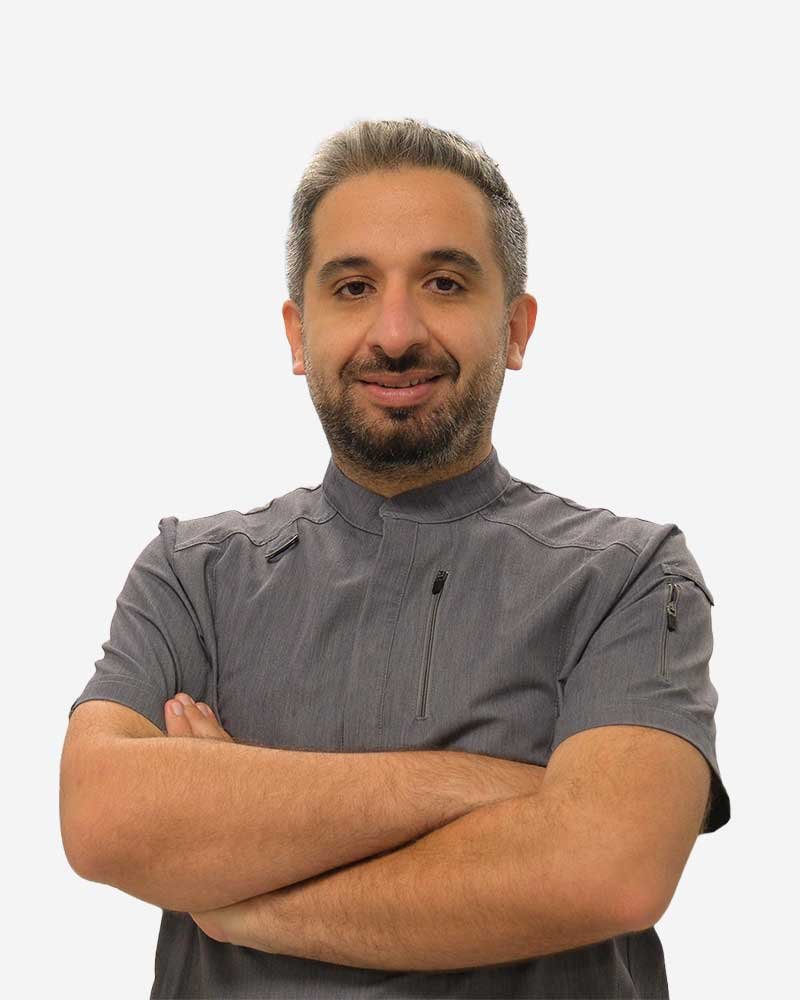
General surgeon in Antalya, Türkiye, with over 15 years of experience and more than 4,500 laparoscopic procedures. IFSO member, recipient of the EAES Fellowship Award 2018, co-author of 40+ peer-reviewed publications. Full profile →
Have a question about your condition?
Describe your symptoms and share any previous test results. Dr. Habibi will review them personally and advise on the next step.
Message on WhatsApp