
Obesity & Metabolic Surgery
Obesity & Metabolic Surgery in Antalya
Dr. Mani Habibi performs the full range of bariatric procedures laparoscopically in Antalya, Türkiye — with more than 4,500 laparoscopic operations behind him and training at the Cleveland Clinic.
Obesity and metabolic surgery is a group of operations that treat severe obesity and related conditions such as type 2 diabetes by changing the size of the stomach, and in some procedures the route food takes through the intestine. The main options are gastric sleeve, gastric bypass, the non-surgical gastric balloon, and revisional surgery after a previous operation. All are performed laparoscopically or endoscopically, and none works without long-term dietary change and follow-up.
Procedures
Which procedures does Dr. Habibi perform?
Each option suits a different clinical picture. The right one is decided together after a full assessment.
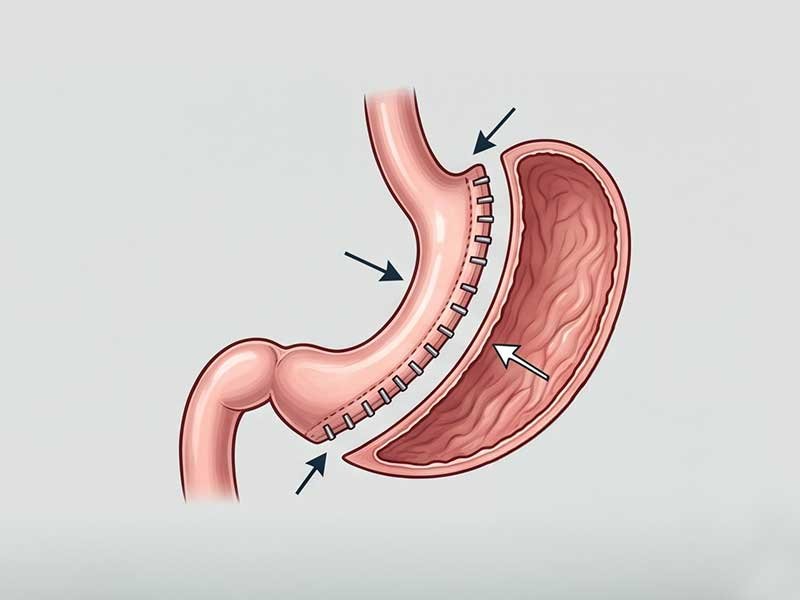
Gastric Sleeve
Approximately 75–80% of the stomach is removed, leaving a narrow tube. The most frequently performed bariatric operation worldwide.
Gastric sleeve in detail →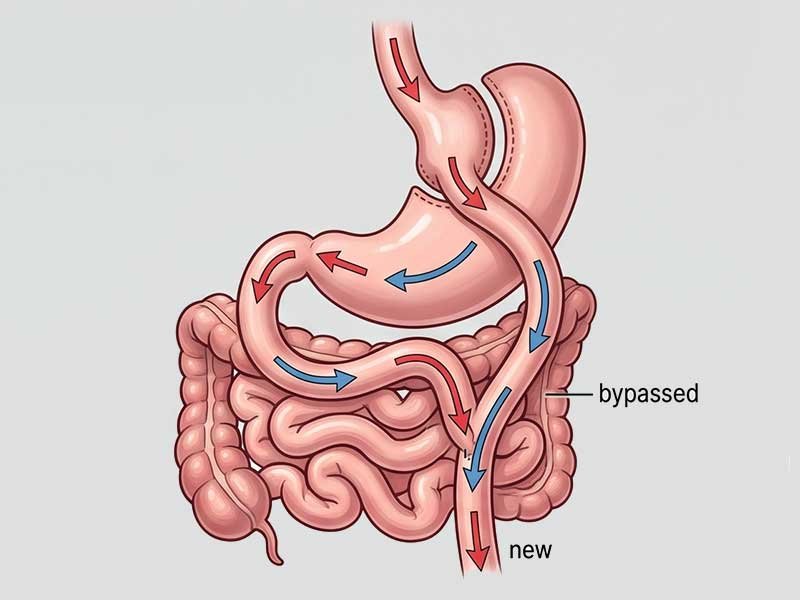
Gastric Bypass
A small stomach pouch is connected directly to the small intestine. Often preferred for type 2 diabetes, higher BMI or significant reflux.
Gastric bypass in detail →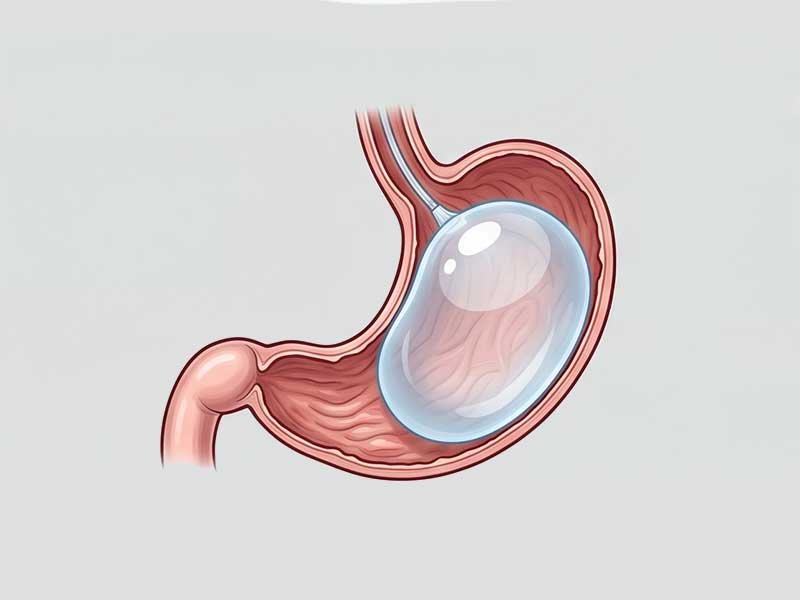
Gastric Balloon
A soft balloon placed endoscopically and removed after about six months. No incisions, no surgery, fully reversible.
Gastric balloon in detail →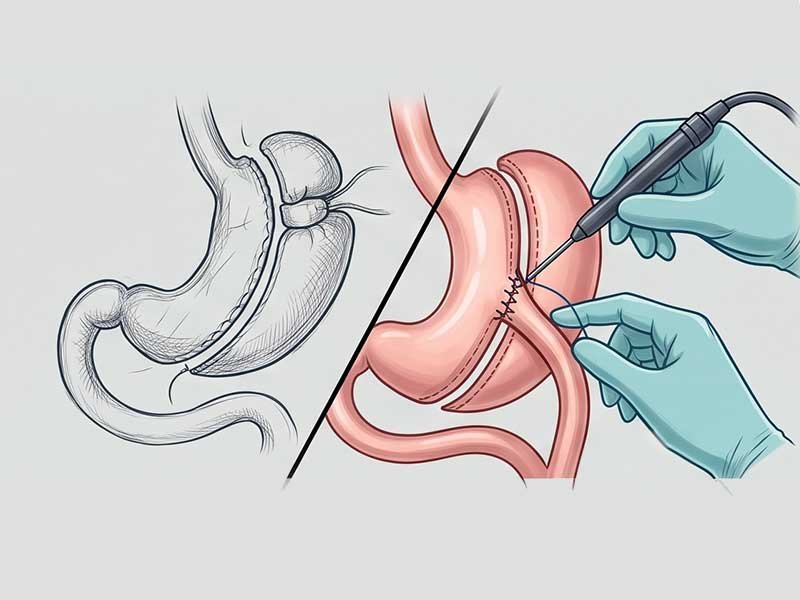
Revisional Surgery
Correction or conversion after a previous sleeve, bypass or band — for complications such as reflux, or where results fell short.
Revisional surgery in detail →Comparison
How do the options compare?
| Gastric Sleeve | Gastric Bypass | Gastric Balloon | |
|---|---|---|---|
| Type | Laparoscopic surgery | Laparoscopic surgery | Endoscopic, no surgery |
| What changes | Stomach reduced | Stomach reduced, intestine rerouted | Nothing permanent |
| Expected weight loss | 60–70% of excess weight | 65–80% of excess weight | 10–15% of total body weight |
| Effect on type 2 diabetes | Frequently improves | Generally strongest effect | Limited |
| Effect on reflux | May cause or worsen | Often improves | May cause |
| Reversible | No | Technically, rarely done | Yes, fully |
| Supplements | Lifelong | Lifelong, mandatory | Not routinely required |
| Typically considered for | BMI 35+, no reflux history | BMI 40+, diabetes, reflux | BMI 27–35, or before surgery |
No single procedure is best for everyone. The decision depends on BMI, metabolic conditions, reflux history, previous operations and personal preference.
Eligibility
Who is eligible for bariatric surgery?
Internationally accepted criteria generally consider bariatric surgery for adults who have tried other weight-loss methods without lasting success and who meet one of the following:
- BMI of 40 or above
- BMI of 35–39.9 with an obesity-related condition such as type 2 diabetes, high blood pressure, sleep apnoea or joint disease
- In selected cases, BMI of 30–34.9 with metabolic disease not controlled by other treatment
Candidates must also be fit for general anaesthesia and prepared to commit to lifelong dietary change, supplementation and follow-up. Eligibility cannot be established online — it requires medical history, blood tests, endoscopy where indicated, and assessment by anaesthesia, dietetics and, where appropriate, psychology.
Important: Bariatric surgery is a treatment for obesity as a medical condition, not a cosmetic procedure. It is a tool that makes sustained change possible — it does not replace it.
The Process
What does the patient journey look like?
First contact
Share your height, weight, medical history and any previous operations. Dr. Habibi reviews these personally and responds.
Video consultation
A conversation before travelling: which options are realistic in your case, what each involves, and what it does not promise.
Pre-operative work-up
On arrival: blood tests, imaging, endoscopy where indicated, and consultations with anaesthesia and dietetics.
Surgery
The agreed procedure, performed laparoscopically or endoscopically, followed by monitoring in hospital.
Discharge and travel
A post-operative check before flying home, with written dietary stages and medication instructions.
Long-term follow-up
Structured contact at set intervals, dietitian support, and blood tests to monitor nutritional status for years afterwards.
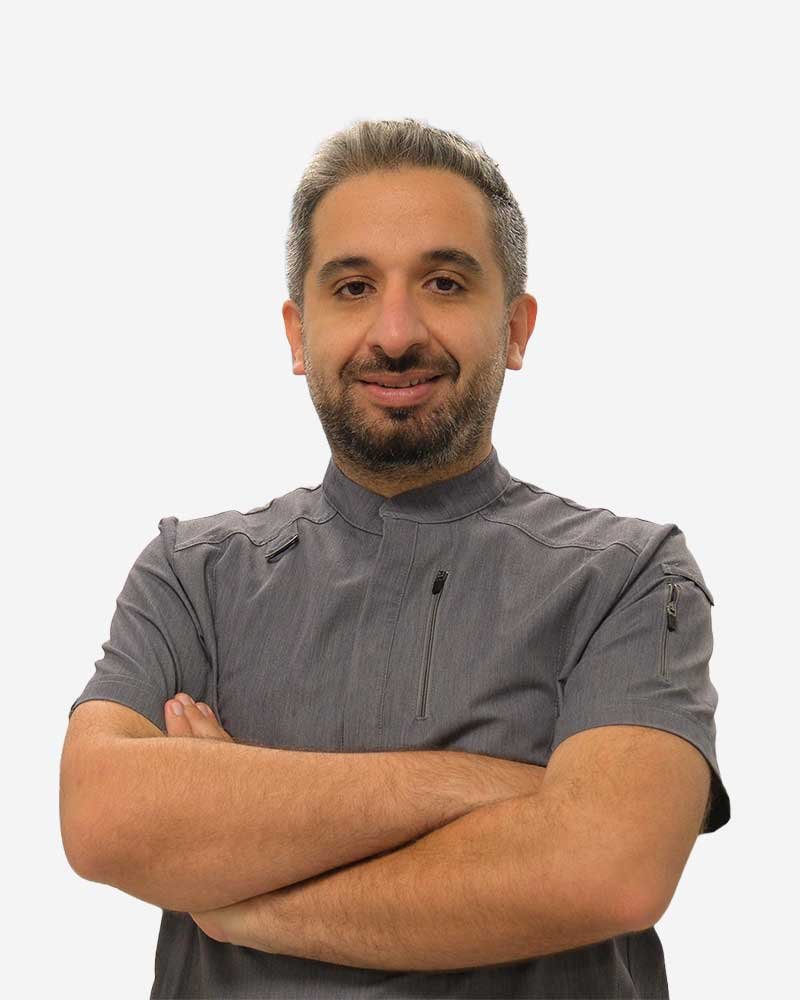
General surgeon specialising in obesity and metabolic surgery in Antalya, Türkiye. Trained in bariatric surgery at the Cleveland Clinic (USA), recipient of the EAES Fellowship Award 2018, IFSO member, co-author of 40+ peer-reviewed publications. Full profile →
FAQ
Bariatric surgery — frequently asked questions
Which bariatric procedure is best?
There is no single best procedure. Gastric bypass generally has the strongest effect on type 2 diabetes and reflux, gastric sleeve is technically simpler and preserves normal absorption, and the gastric balloon is a temporary option for lower BMI or before another operation. The right choice depends on BMI, metabolic conditions, reflux history and previous surgery.
Is bariatric surgery safe?
Modern laparoscopic bariatric surgery is well established, with complication rates comparable to other common abdominal operations. It remains major surgery with real risks — bleeding, leak, infection, blood clots and long-term nutritional deficiencies — which are discussed in detail before any decision.
How long does recovery take?
Most patients leave hospital within two to four nights and return to desk work in two to four weeks, depending on the procedure. The dietary progression from liquids to solid food takes roughly six to eight weeks under dietitian guidance.
Will I need vitamin supplements after surgery?
Yes, after both sleeve and bypass. Supplementation of vitamin B12, iron, vitamin D and calcium, together with regular blood tests, is lifelong. This is essential after gastric bypass, where absorption is deliberately reduced.
Can obesity surgery cure type 2 diabetes?
Metabolic surgery, particularly gastric bypass, leads to significant improvement or remission of type 2 diabetes in a high proportion of patients, often beginning within weeks of surgery. Remission is not guaranteed and can be lost over time, so continued medical follow-up remains necessary.
How long do international patients stay in Antalya?
Typically five to seven days for a first operation and seven to ten days for revisional surgery, allowing for pre-operative tests, surgery, recovery and a check before flying home.
Not sure which procedure fits your situation?
Send your height, weight, medical history and any previous operations. Dr. Habibi will review them personally and explain the realistic options.
Message on WhatsApp